
Hegseth, “No Quarter,” and the Language of Civilizational Decay
A reflection on Pete Hegseth’s use of “no quarter,” the moral weight of wartime language, and why restraint is essential to civilization.
Published July 2, 2026
There is a dangerous temptation in politics to confuse hardness with virtue. A leader says something severe, the crowd hears strength, and for a moment moral clarity is replaced by emotional satisfaction. That is how civilizations begin to talk themselves into barbarism.
Pete Hegseth’s use of the phrase “no quarter” matters because the phrase is not mere swagger. In the law of war, it carries a concrete meaning: do not spare, do not accept surrender, do not take prisoners. That is why legal experts reacted strongly, and why international humanitarian law explicitly prohibits declaring that no quarter will be given.
A nation does not prove its greatness by how carelessly it speaks about killing. It proves its greatness by whether it can wield power without surrendering its soul. Law exists precisely for the moment when anger feels justified. Rules restrain us when vengeance starts masquerading as courage. That is not weakness. That is civilization.
This is where modern public life is becoming distorted. Too much of our rhetoric is now theatrical. Words once understood as grave are thrown around as branding devices. The result is moral numbness. War becomes content. Enemies become abstractions. Serious terms become applause lines. When that happens, the first casualty is not only truth but human dignity.
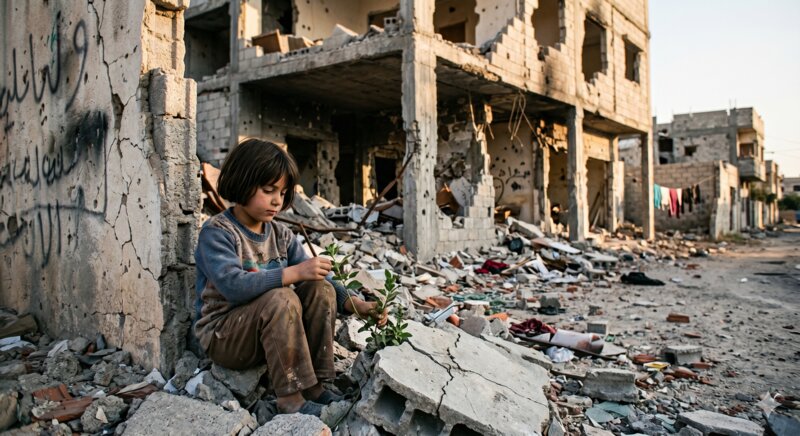
Even in war, there are boundaries. Those boundaries were not created to protect evil; they were created because history taught, at enormous cost, what happens when people decide some enemies no longer count as human beings. Once that line is crossed, cruelty expands quickly. It never stays neatly contained.
The deeper issue is not Pete Hegseth alone. The deeper issue is whether our culture still understands that moral order must govern force. A people that celebrates unrestrained power eventually becomes subject to it. A people that laughs at the loss of restraint should not be surprised when restraint disappears at home as well as abroad.
Agape does not require naivety. Evil is real. Nations may have to fight. But Agape does require that we refuse the lie that hatred is a form of strength. It is not. Hatred is always easier than discipline. Mercy under law is harder. Justice without savagery is harder. But that harder path is the only path that preserves the dignity of both the innocent and the society claiming to defend them.
So the right response here is not partisan outrage alone. It is moral sobriety. Public officials, especially those entrusted with war, should speak with precision, restraint, and a full awareness that words shape action. A civilization that forgets this will eventually discover that the story beneath its rhetoric is not strength at all, but decay.
The measure of strength is not how loudly we threaten, but whether we remain governed by truth when anger invites us to abandon it.